Australian households are discovering what happens when you stop renting power from the grid and start owning it instead.
Every sunrise brings another chance. Not just to save money, but to build something permanent. Energy independence isn't about panels on a roof anymore. It's about capturing what you need and keeping it ready when the grid can't deliver.
See How It WorksTwenty years ago, electricity flowed one direction. Power stations generated it, homes consumed it, and everything worked predictably.
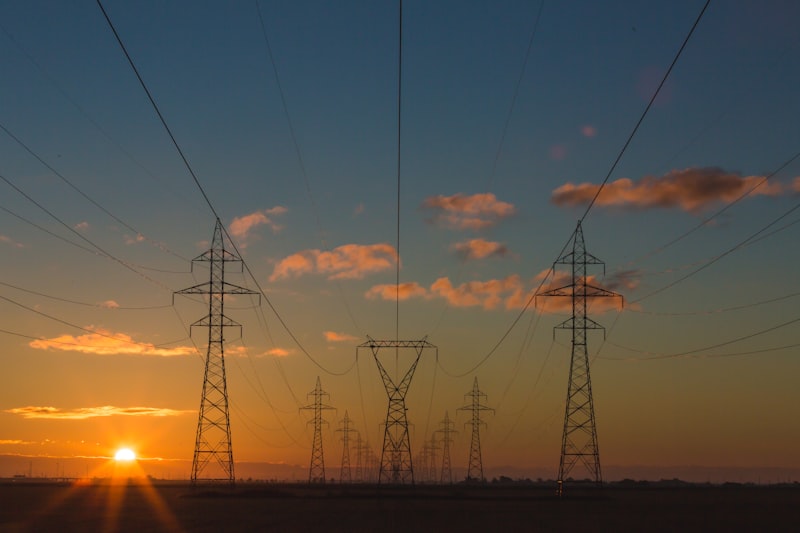
That system is breaking down. Peak demand charges punish you for using power when you need it most. Blackouts arrive without warning during summer heat waves. Wholesale prices swing wildly based on factors entirely outside your control.
The infrastructure was designed for a different era, and waiting for it to catch up means accepting costs and disruptions that didn't exist a decade ago.
Battery technology crossed an invisible threshold. Not just incremental improvement, but a fundamental shift in what's economically viable for residential use.
Lithium iron phosphate cells now deliver 6,000+ charge cycles with minimal degradation [1]. That translates to 15-20 years of daily use before capacity drops below 80%.
Modern inverters communicate with the grid in real-time, automatically shifting between stored power and grid power based on pricing signals and demand patterns. Your system makes financial decisions while you sleep.
This isn't experimental technology anymore. It's proven infrastructure running in over 400,000 Australian homes right now.
"We installed our system in March 2023. First quarterly bill after that was $47. Same quarter the previous year was $623. The battery paid for itself in saved peak charges alone."
"During the February blackout, we didn't even notice. Fridge kept running, internet stayed up, life continued normally. Meanwhile our neighbors were scrambling for generators."
Three components working together create complete energy autonomy.
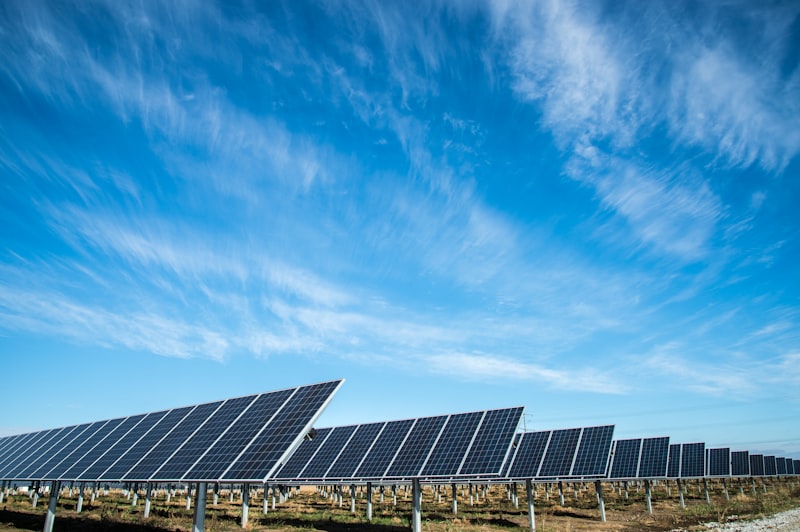
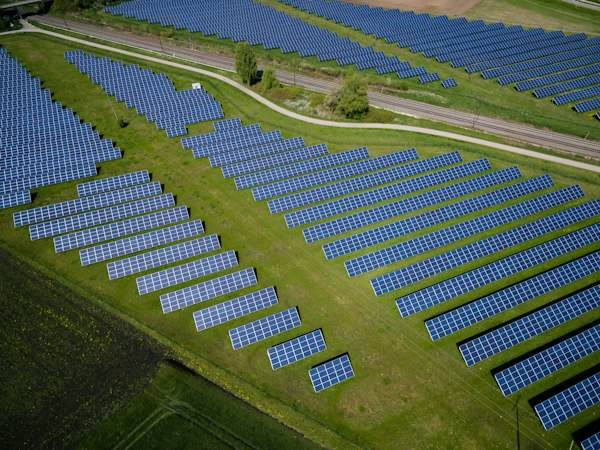
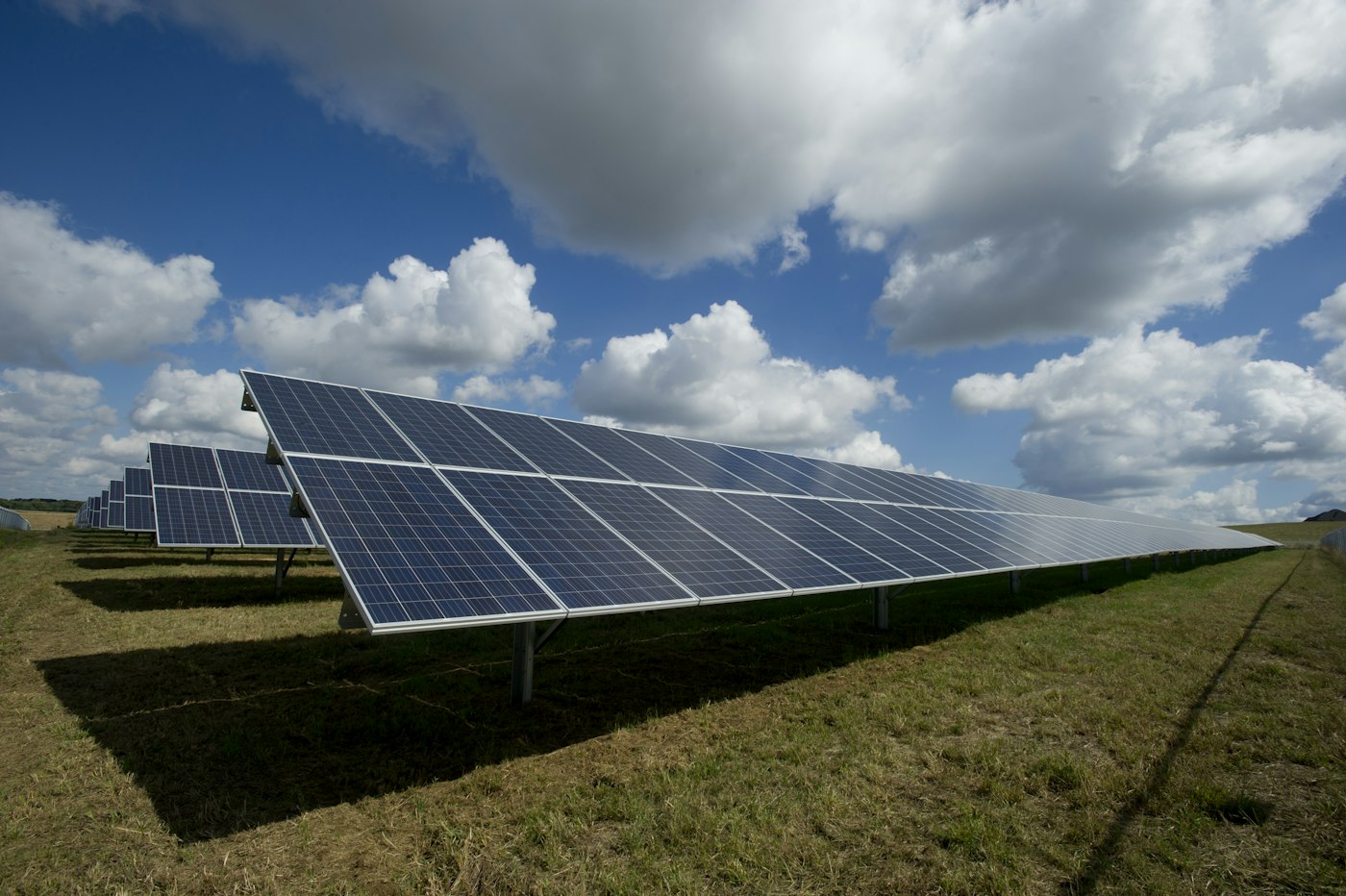
High-efficiency photovoltaic panels convert sunlight into DC electricity. Modern monocrystalline cells achieve 21-23% conversion efficiency [2], meaning a 6kW array generates meaningful power even on overcast days.
Lithium iron phosphate battery banks store excess generation for later use. Unlike older lithium-ion chemistry, LiFePO4 batteries maintain thermal stability up to 270°C and deliver consistent performance across 6,000+ cycles without significant capacity loss.
Hybrid inverters with built-in energy management automatically optimize power flow. The system monitors grid pricing, weather forecasts, and usage patterns to decide when to store, when to consume, and when to export surplus back to the grid at premium rates.
Ten years ago, solar required government incentives to justify the investment. Today, the math works on its own.
Average Australian households consume 18-20 kWh daily. A properly sized system generates 25-30 kWh on clear days, creating surplus that either charges your battery bank or exports to the grid at feed-in tariff rates.
With peak electricity rates hitting 45-55 cents per kWh in major cities and off-peak rates around 18-22 cents, time-shifting your consumption through battery storage creates immediate savings. The system pays for itself through avoided grid purchases, not just theoretical future value.
Installation costs have dropped 67% since 2015 while system capacity has doubled. What required $28,000 five years ago now costs $12,000 for equivalent output.
Purpose-built systems designed for Australian conditions and usage patterns.
6.6kW solar array with 10kWh battery storage. Covers typical household consumption with surplus capacity for peak demand days. Includes hybrid inverter, energy management software, and 10-year performance warranty.
AUD $11,847.50
10kW solar array with 20kWh battery bank. Complete grid independence for average homes, with backup capacity for extended cloudy periods. Advanced monitoring dashboard, predictive maintenance alerts, 15-year warranty coverage.
AUD $18,295.00
25kW+ solar installation with scalable battery storage. Designed for retail, office, and light industrial applications. Peak demand reduction, load shifting automation, real-time grid integration for maximum feed-in revenue.
AUD $34,650.00
Add storage capacity to existing solar installations. 13.5kWh modular battery system with smart inverter upgrade. Compatible with most existing panel configurations. Transform existing solar into full energy independence.
AUD $9,125.00
Ongoing system health tracking and optimization. Remote diagnostics, quarterly efficiency reports, proactive maintenance scheduling. Ensure your investment maintains peak performance year after year.
AUD $447.00/year
Detailed analysis of your property, usage patterns, and solar potential. Custom system design with ROI projections, rebate guidance, and installation planning. Make informed decisions based on your specific situation.
AUD $385.00
Select your preferred solution and we'll provide detailed specifications, installation timeline, and available rebates for your area.